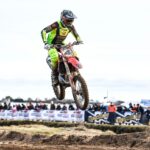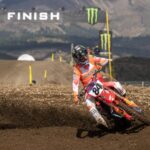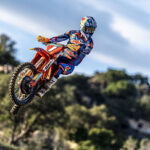



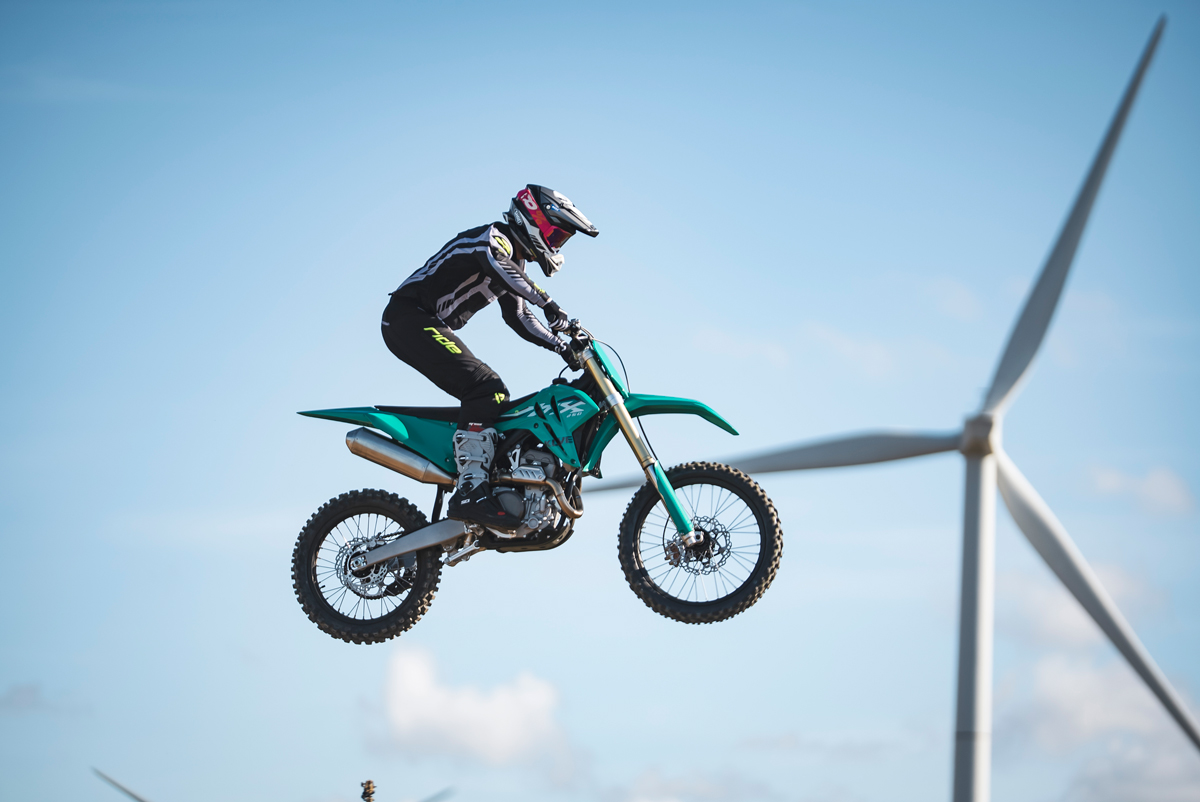
Craig Chamberlain put the new Kove, a new Chinese brand of Motocross bikes, through their paces at the manufacturer’s UK launch at VIP MX.
Bike Test and Words by Craig Chamberlain – Images by Kyle Lane
We all knew the day would come when the Chinese market stepped into full-size motocross. They’ve been in the minibike scene for years, so it was only a matter of time before someone tried to build a proper race-ready MX bike. That time is now, and the brand leading the charge is Kove.
I got the call to come and test the Kove MX range, and I’ll be honest—I was curious. Could they really build something to challenge the established Japanese and Austrian manufacturers?
First Impressions – The Look and Build
We turned up to a circuit that had been left rough, which I actually prefer for testing. Smooth tracks hide problems. Rough tracks expose everything.
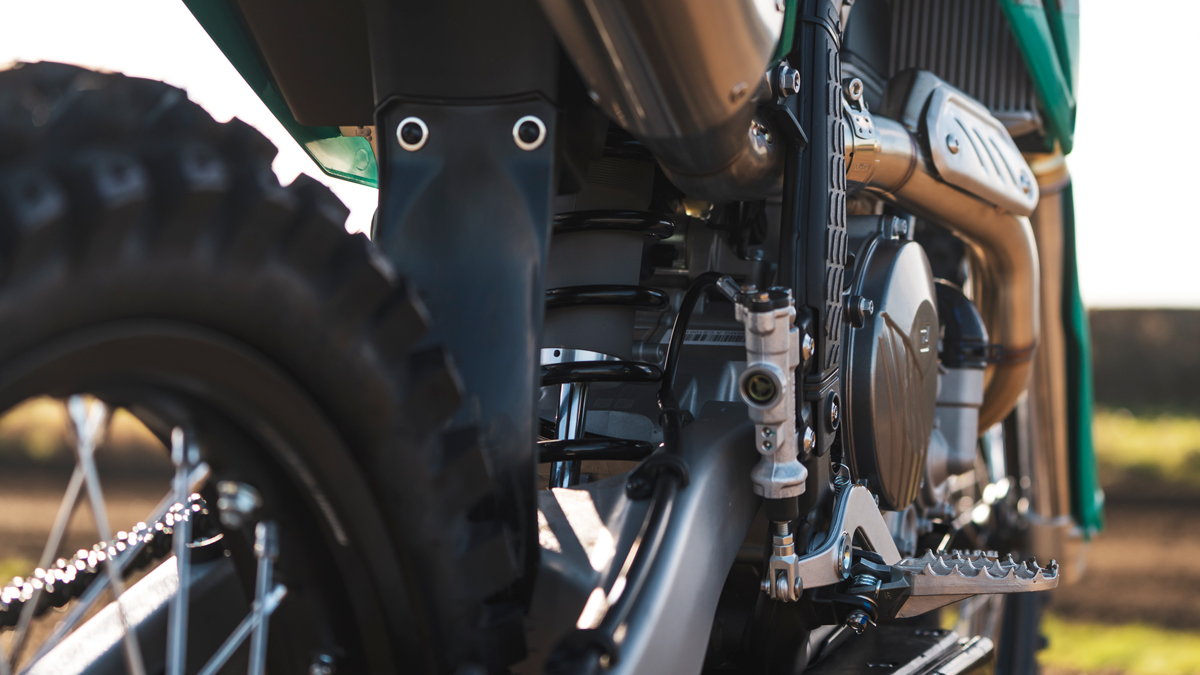
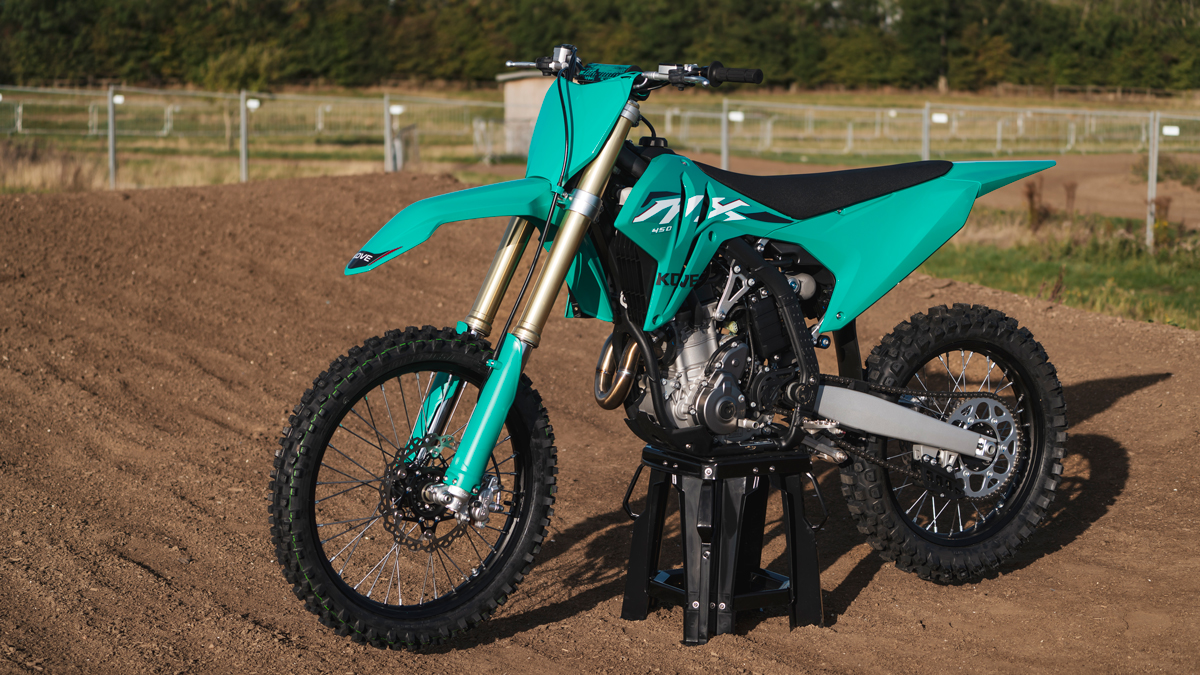
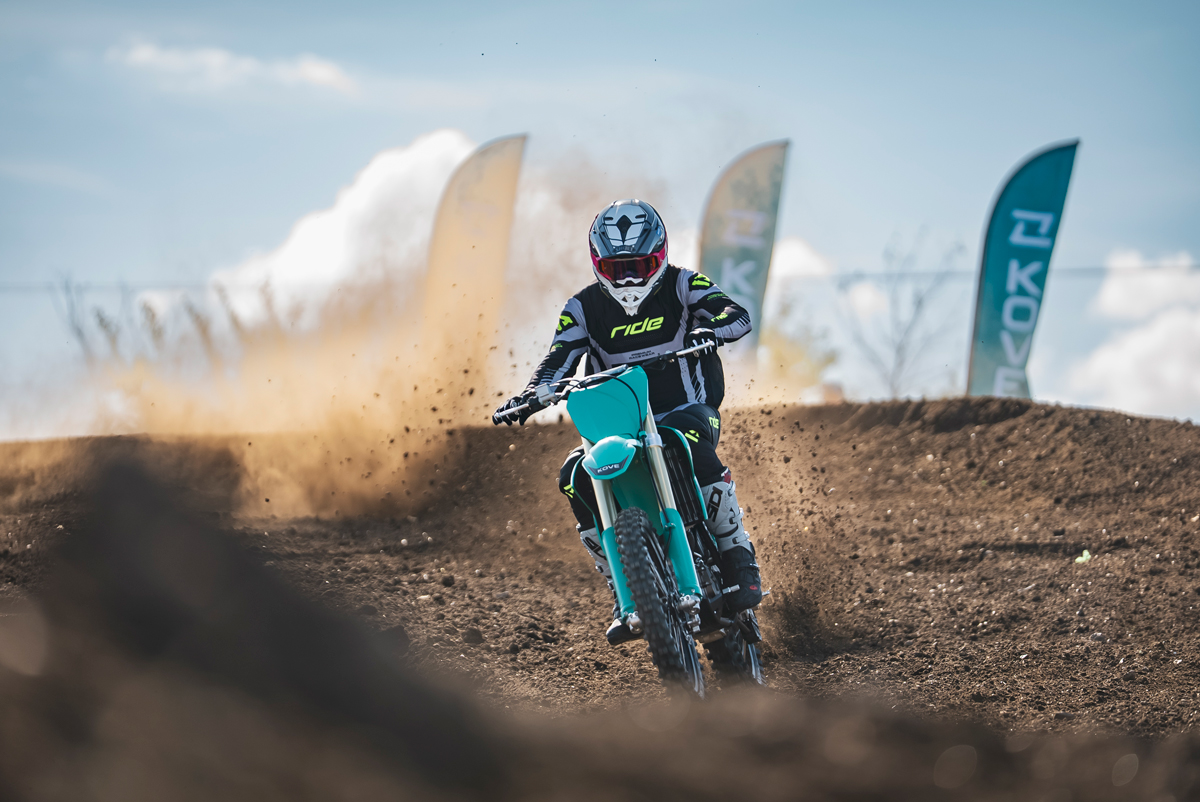
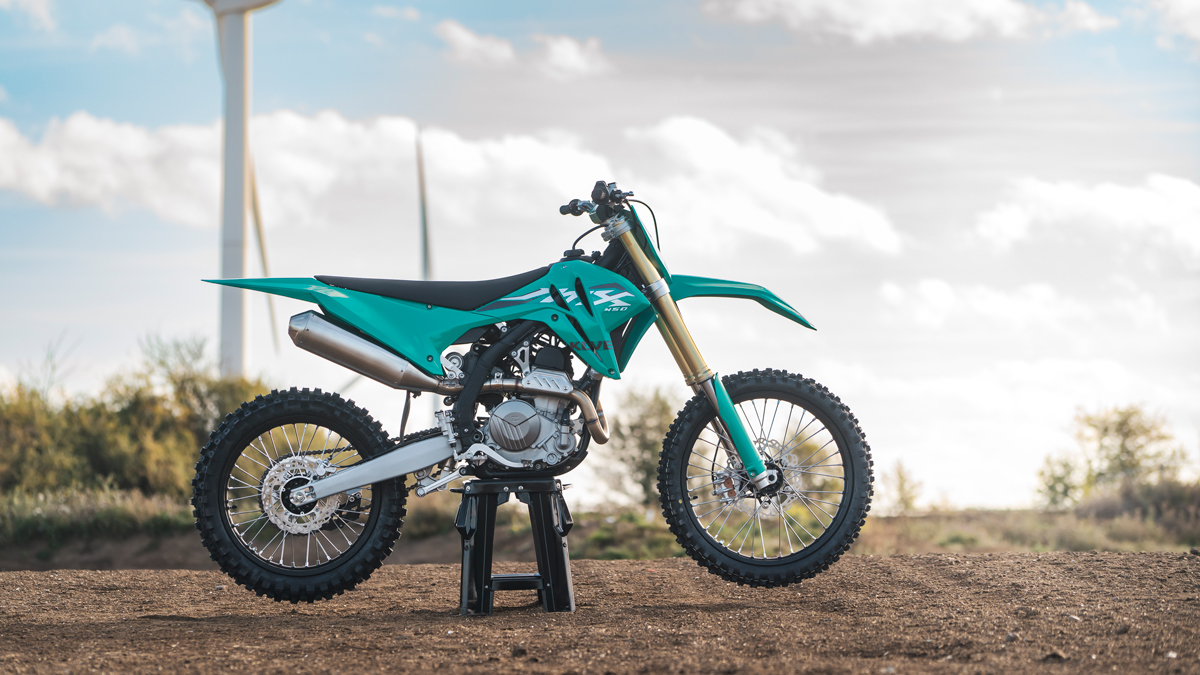
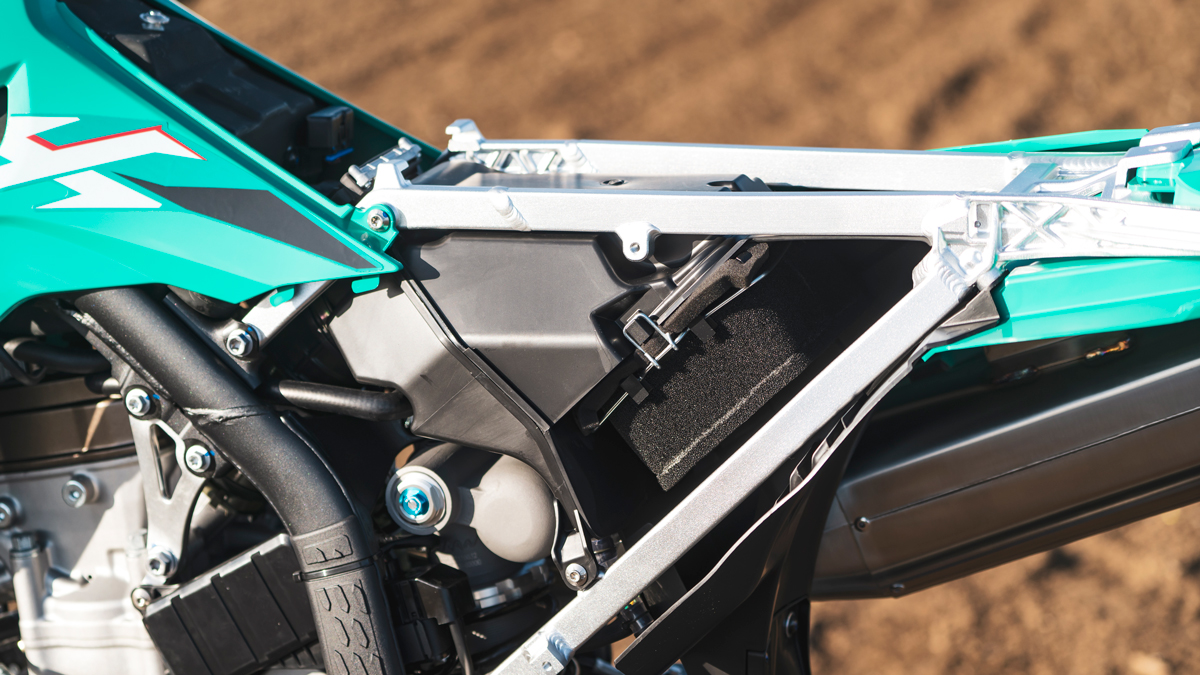
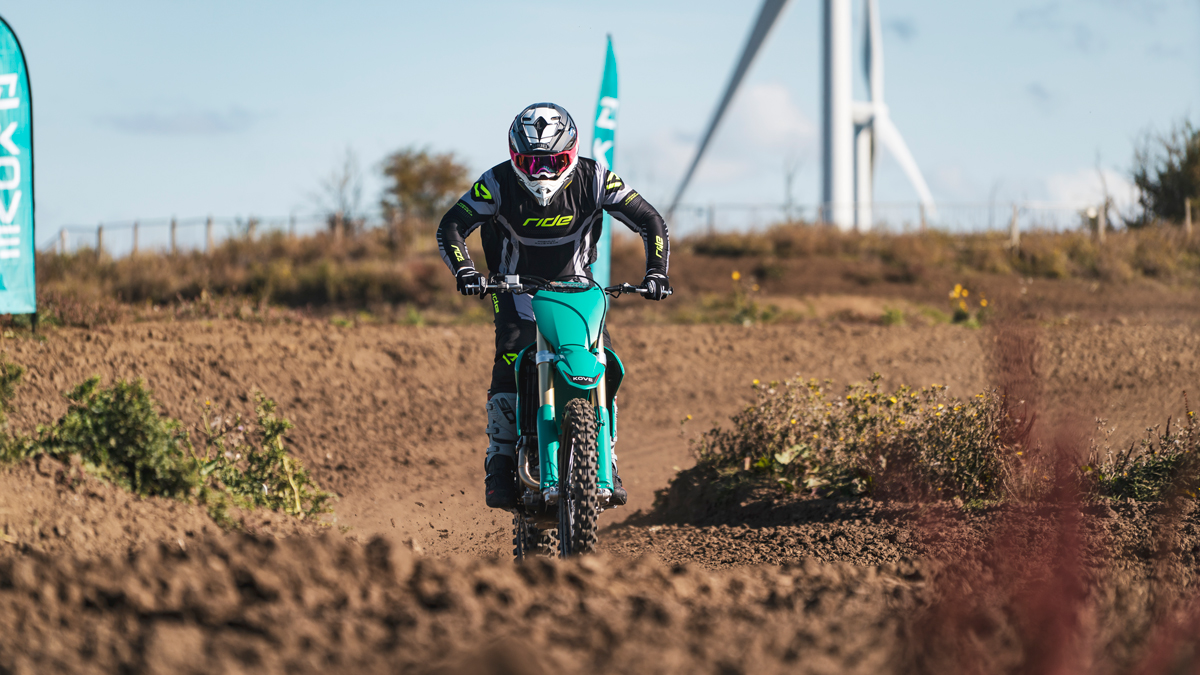
Straight away, looking over the bikes, it was clear Kove hadn’t just thrown something together. They’ve put serious effort into making these machines look and feel like proper race bikes. The plastics, frame finish and overall layout looked modern and well thought out.
One thing that stood out:
Everything is built in-house.
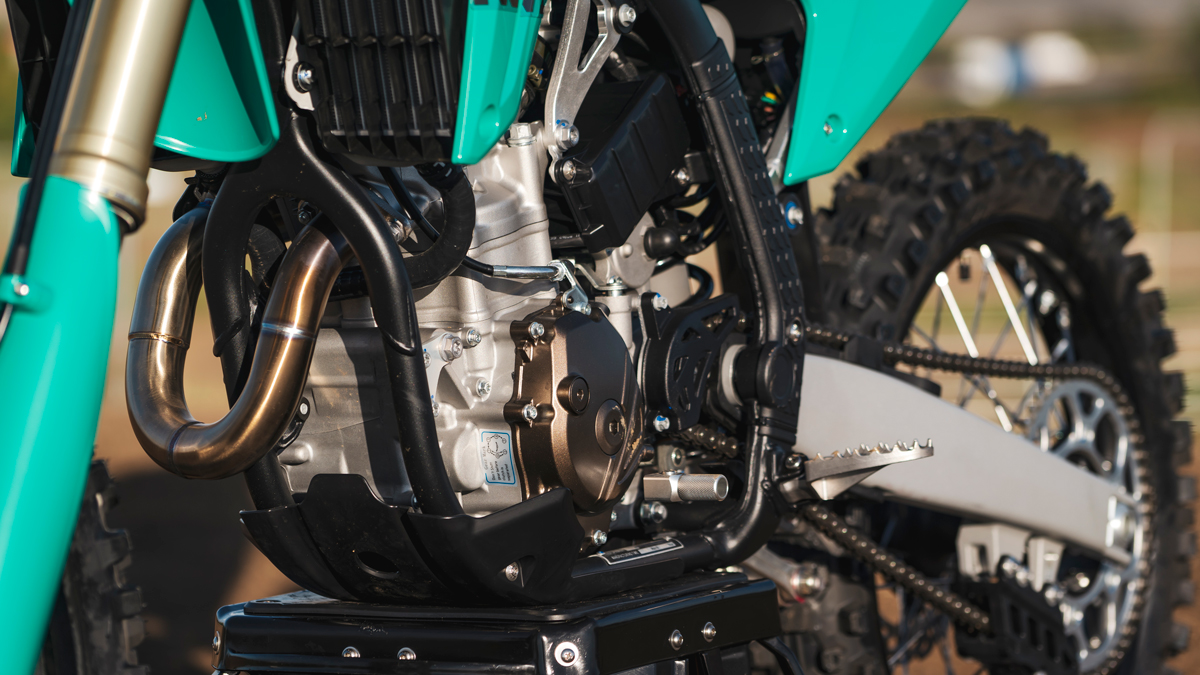
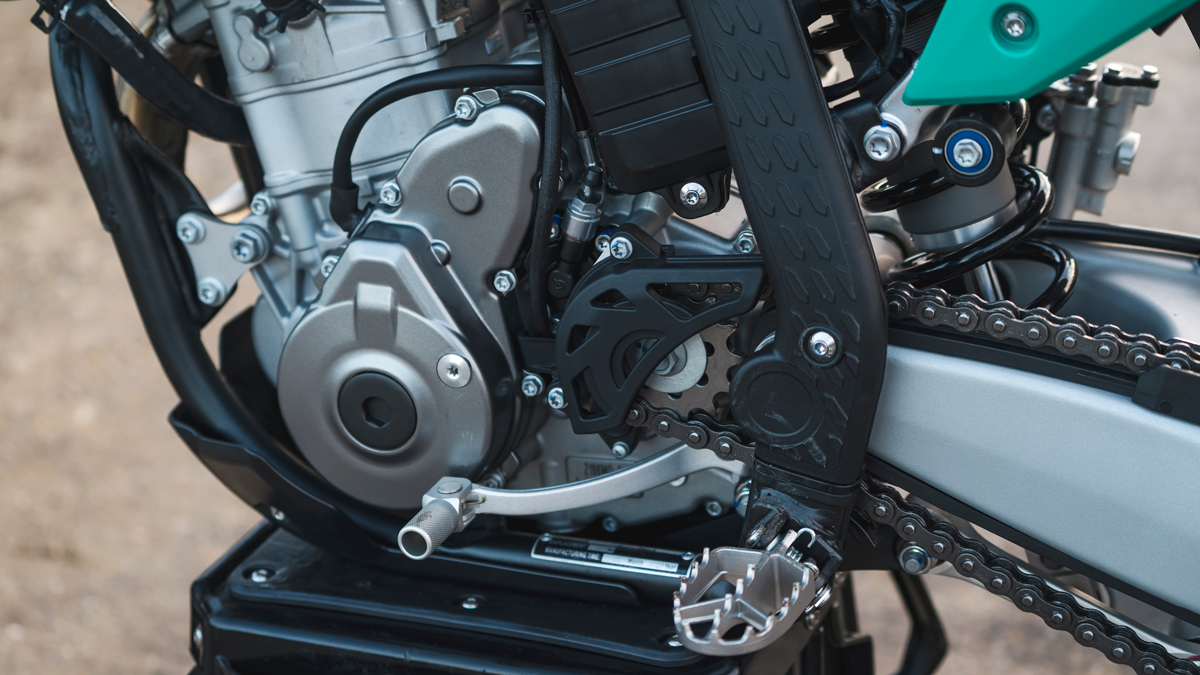
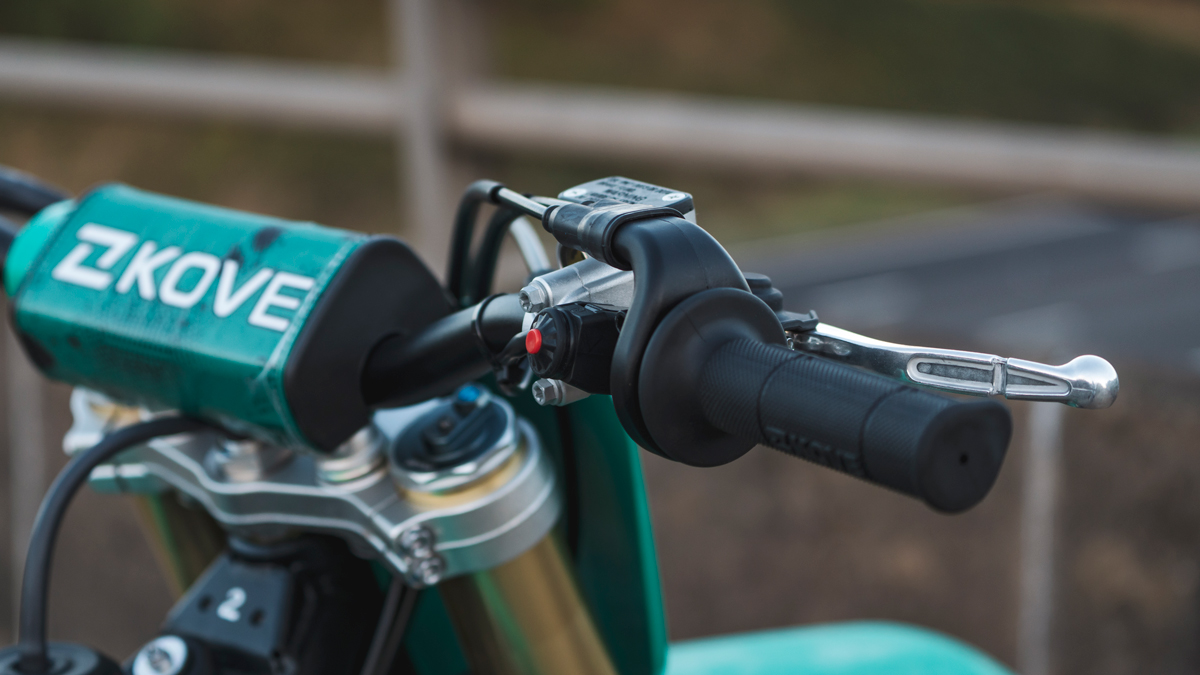
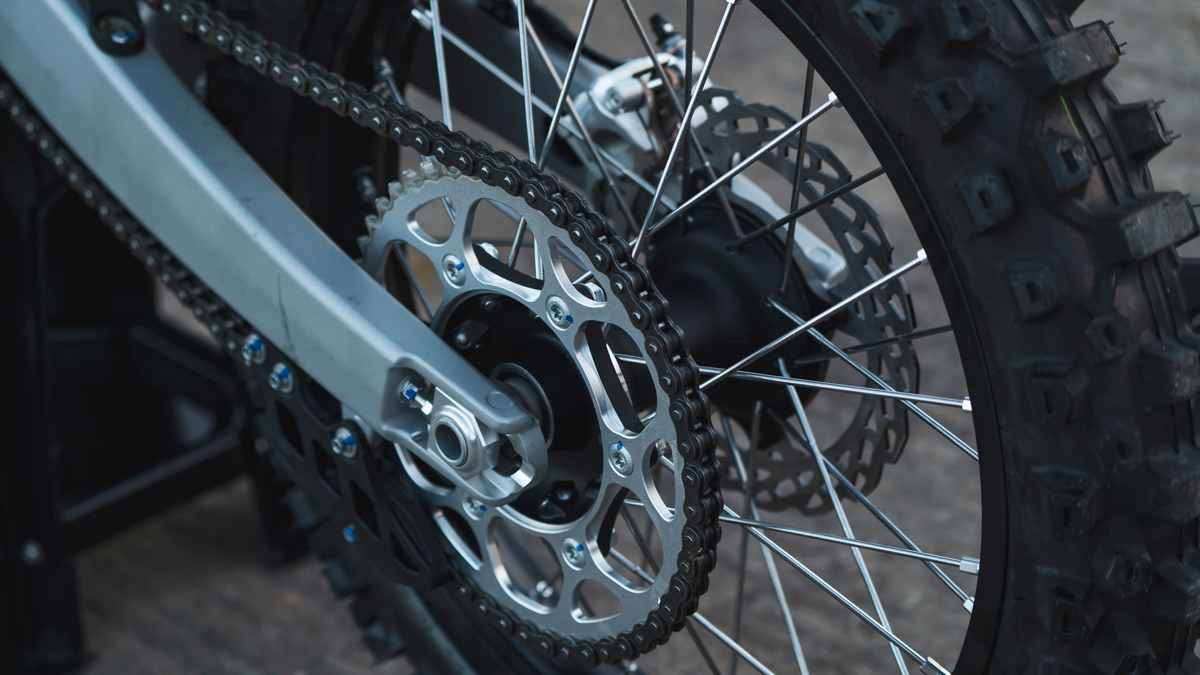
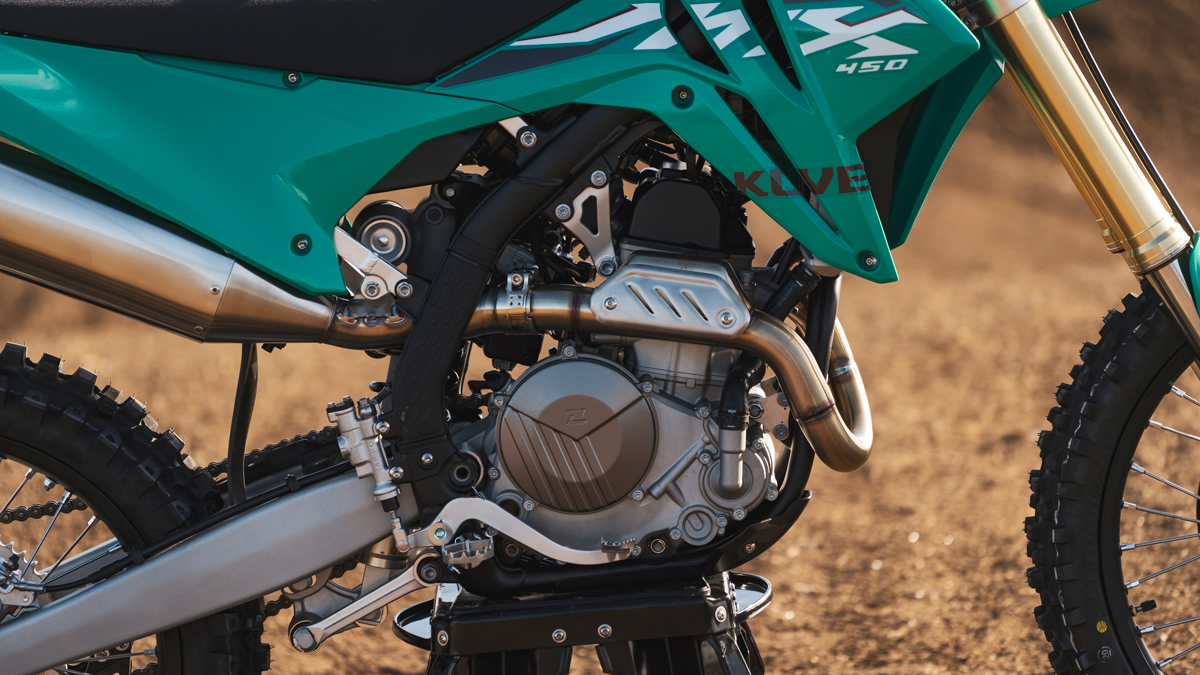
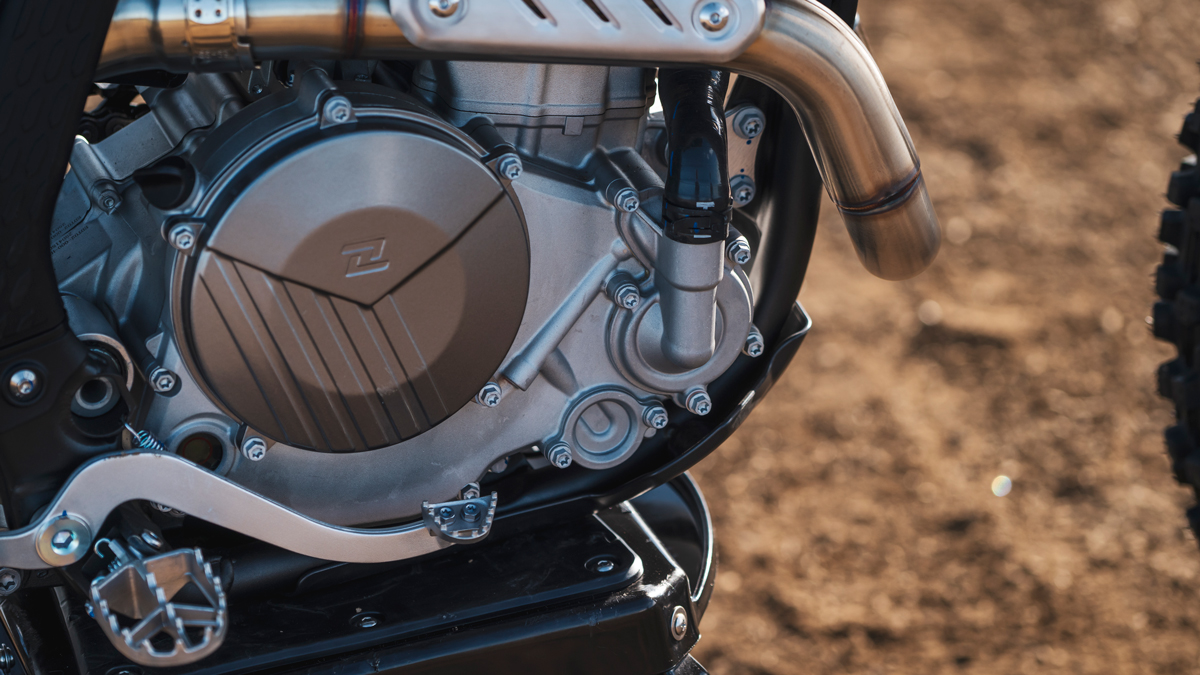
No bolt-on aftermarket brands—no Brembo, no Neken, no ProTaper. Literally all Kove-branded components. That could be seen as a risk, but also shows they’re serious about being a manufacturer, not just an assembler.
Suspension
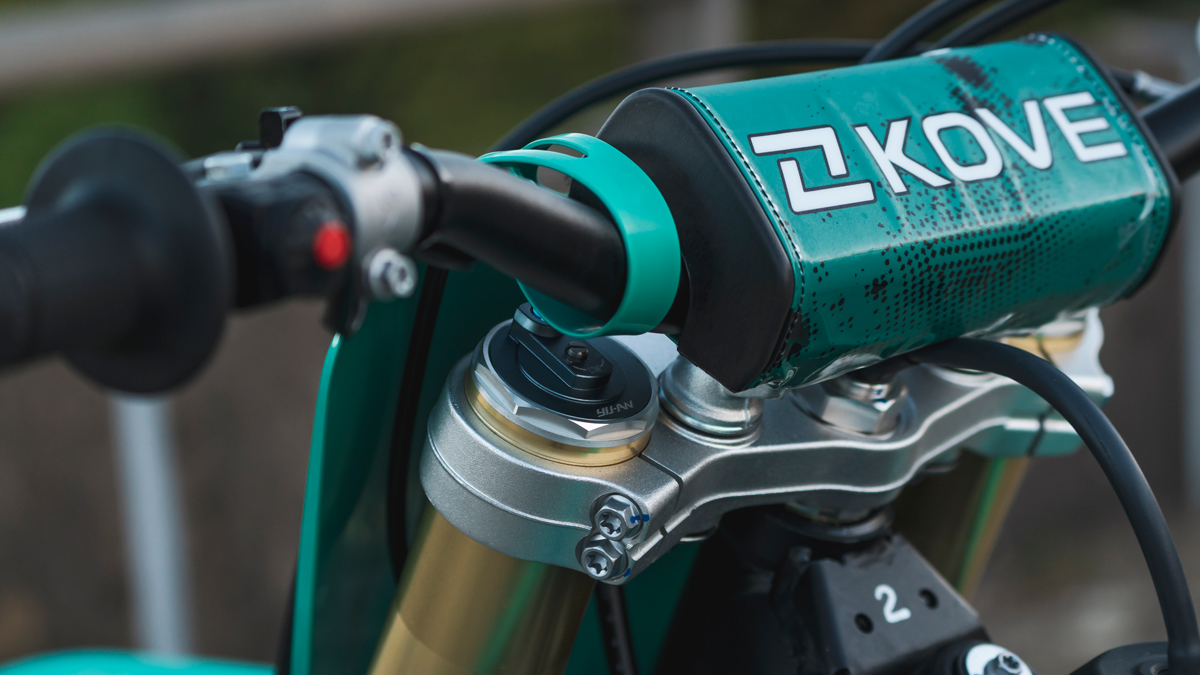
The suspension is branded Kove, but visually… it looks very similar to Showa. Same fork design, same shock layout. And we all know Showa works when set up right.
Levers felt a little cheap, but nothing major. Overall, the bikes looked like genuine contenders—not budget knock-offs.
Riding the 250 first
For context, I don’t usually pick a 250 to ride, so I wasn’t expecting much. But straight away, I was pleasantly surprised by the power.
Let’s be real—it’s not quite as strong as the class-leading 250s from the big brands, but it’s not far off either. For a first attempt from a new manufacturer? Impressive.
First laps – handling issues
However, the handling out of the box wasn’t great for me. I struggled to get traction on the rear, and coming out of choppy corners, the back end felt loose and didn’t feel planted under acceleration.
So I pulled in and had a word with Jake from K-Tech, who Kove smartly had on-site. Smart move by them.
Set up Changes
I explained the issues, and Jake went straight to work, adjusted the rear sag, and made a few clicker changes. We also moved the rear brake lever up a significant amount.
Back on track – completely different bike
The difference was night and day; it was so much more comfortable, with more traction, giving me more confidence.
Also worth noting: these bikes had never even been started before this test. As the 250 loosened up, it actually felt stronger and smoother lap after lap.
Cornering & stability
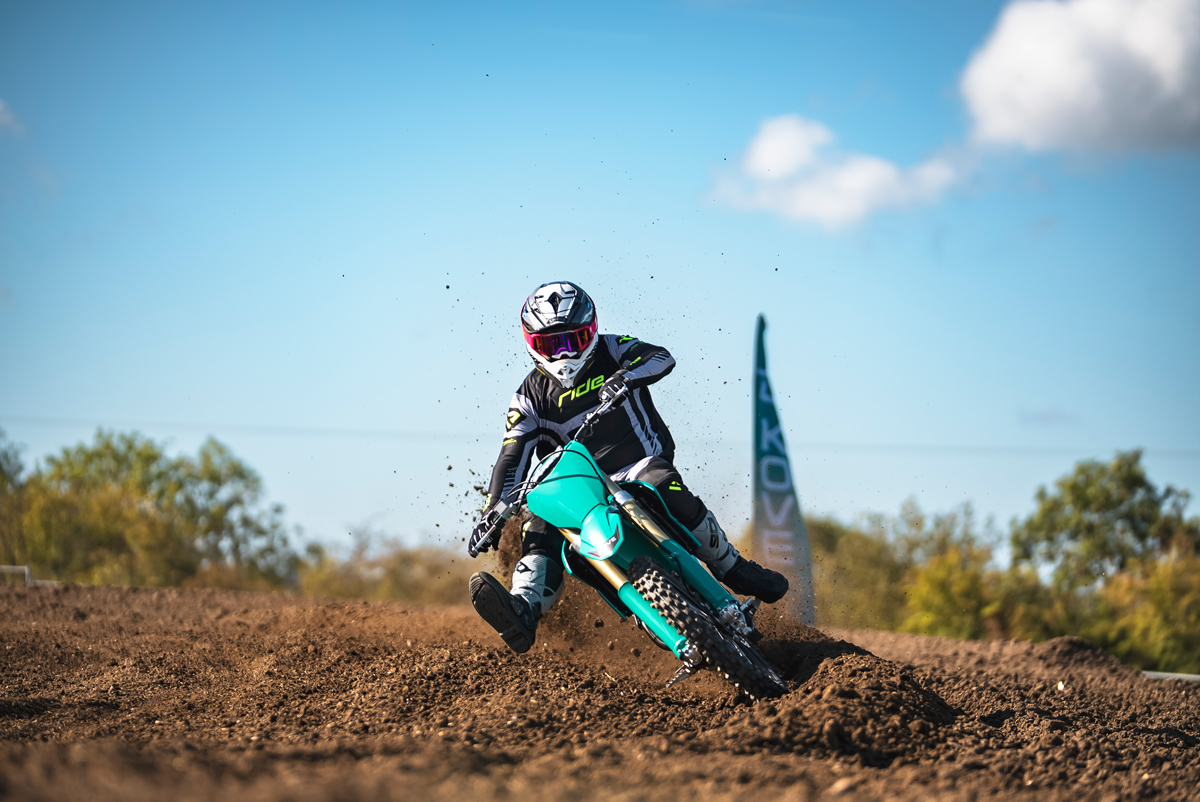
This is where the 250 really impressed me. It turned beautifully, and I could put it exactly where I wanted. The straight-line stability was solid too.
Only real negative?
If I came up short on a jump, the forks would slap down hard. Big metal-on-metal feeling. I’m sure with some internal work or valving that could be sorted, but it’s worth pointing out.
Overall, though, I came away from the 250 thinking:
“This is actually a decent bike.”
Onto the 450
Now this is where I expected Kove to struggle—big bore motocross is a serious game. And straight away, I could tell…
The 450 didn’t feel as planted as the 250. It felt like it would take more setup time to get comfortable.
Power
However… the power was surprisingly good.
I genuinely think the Kove 450 could match the big brands at a Clubman or Vet level.
It pulls well, it revs clean, and it’s not a handful.
At the higher (Pro/National) level, I feel both the 250 and 450 would need a few bolt-on parts to be fully competitive—especially in areas like:
- Engine mapping
- Exhaust
- Triple clamps
- Suspension tuning specific to rider weight/speed
And that brings us to the big unknown…
Aftermarket Support – the missing piece
Right now, no major performance companies make parts for these bikes.
No aftermarket exhausts, clamps, brakes, wheels, ECU, etc.
Let’s be honest…
In 2025, riders LOVE their bolt-ons.
People want shiny pipes, clamps, wheels, and factory bling. Until we see companies like Pro Circuit, FMF, HGS, X-Trig, etc. make parts for Kove… some riders just won’t take the leap.
The Big Question – Price
This could be the make-or-break factor.
£6000 for the 250
£6500 for the 450
Now, after riding them, I’ll say this straight.
They ARE worth that money.
However…
To get people to take a chance on a new, unproven brand, I feel the launch price should be a little lower initially, since the current price is too close to the Japanese bikes.
And when people see “new Chinese brand” next to “established Honda/Kawasaki/Yamaha”… most will play it safe unless they’ve ridden one.
Where do they fit?
These bikes absolutely have a place in motocross.
They’re not a joke. They’re not “cheap Chinese throwaways.” They’re legit race bikes with potential.
Right now, I’d say they’re perfect for:
- Vet riders
- Clubman-level racers
- Practice bikes
- Riders who value performance over brand loyalty
With a few add-ons and more setup time, they could easily step up to higher levels.
What Kove needs to do
If I was Kove, I’d put demo bikes at club races across the country and let people ride them.
Because once you actually ride one, your opinion changes immediately.
Seeing them on track is one thing. Feeling them on track is another.
Final Verdict
Kove has entered the motocross world with intent.
These bikes are not perfect—but neither were the first Japanese bikes decades ago. They are much better than most people will expect, and with proper setup and aftermarket support, they could become serious contenders.
The foundation is there:
✅ Good power
✅ Strong cornering
✅ Stable in a straight line
✅ Competitive pricing (once you’ve ridden it)
✅ Huge potential with setup
The challenges are also clear:
⚠ Fork harshness on hard landings
⚠ 450 needs more planted feel
⚠ No bolt-on parts (yet)
⚠ Price may be too close to Japanese bikes to tempt buyers